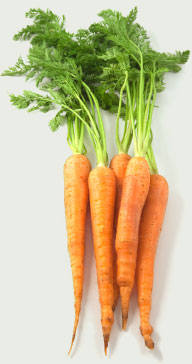
Planting a fall garden
Posted in Healthy Home & Garden on August 23, 2011. Last modified on February 08, 2020. Read disclaimer.
Though summer weather may still be in full force, it's time to start planning your fall garden; planting in mid-to late summer will yield an autumn harvest. Whether you're a green thumb or a gardening newbie, a fall garden can provide delicious, garden-fresh veggies throughout the season. Plus, gardening comes with health benefits: you can burn 150 calories by gardening (standing) for about 30-45 minutes. Not to mention the health enhancing nutrients found in homegrown vegetables.
What to plant
Choosing what to plant is typically determined by where you live. Some climates are more suited to certain plants than others. However, don't be afraid to try something unorthodox. With some extra TLC, you just might be able to grow a special treat for fall.
+ Free Shipping & Returns on Eligible Items.
(*Amazon's Top 100 list updated hourly.)
However, if you're a novice gardener, you may want to avoid discouragement by contacting a local nursery to find out what will flourish in your neck of the woods (try the harder stuff as your thumb gets greener). Generally, these plants are considered fair game for fall gardens (with days from seed to harvest):
- Arugula* (20-35)
- Asian Greens (30-45)
- Beets (50-85)
- Broccoli (50-85)
- Brussel sprouts* (80-100)
- Cabbage (90-120)
- Carrots* (75-80)
- Cauliflower (90-115)
- Collards* (55-80)
- Cress* (40-50)
- Garlic* (7-8 mo)
- Kale* (45-60)
- Kohlrabi* (60-75)
- Leeks* (100-120)
- Lettuce (25-50)
- Onions (65-110)
- Parsley* (65-90)
- Parsnip (120-180)
- Parsnip (120-180)
- Peas (50-75)
- Potatoes* (60-120)
- Radish (20-30)
- Rutabaga* (85-95)
- Spinach* (30-50)
- Turnips* (40-65)
When to plant
To determine when to plant, find out the average first frost date in your area (this information is readily available online) and the number of days to maturity for the things you're planting (found on the seed packet). Try to choose fast maturing varieties if winter arrives early where you live. Count back from the frost date to find your planting date.
Planting tips
Harsh summer temperatures can mean trouble for seeds and seedlings. Hot soil and a lack of water can interfere with germination so try the following to ensure growth:
- Shade the soil
- Place a light mulch over the seeds
- Plant the seeds a little deeper than recommended
Once seedlings have developed, thoroughly moisten the soil once a week; you may also want to keep the seedlings shaded until their roots are established.
For help planning your bountiful and beautiful fall garden, see our Organic Gardening for Beginners infographic.
Source for seed to harvest days, winter hardiness: Sow True Seeds

 How to prepare if you have pets and are going to have a baby
 Tips for battling afternoon fatigue
 Organic Gardening infographic
 Tools for determining your risk of disease
 Getting a jumpstart on spring gardening
 Fall gardening tips and tricks
 Composting kitchen and yard scraps
 How music and laughter can effect our health
 Simple to build, Do It Yourself standup desk
 Steps for keeping your eyesight healthy as you age
 Guide to growing purple sweet potatoes
 What's radon in the home and why should I be concerned
 Simple and healthy smoothie recipes
 What you can do to keep your Immune System strong
 Gardener's guide to growing strawberries
 Causes of stress and how to deal with it
 Poisonous plants in your home and garden
 Subscribe to our RSS